
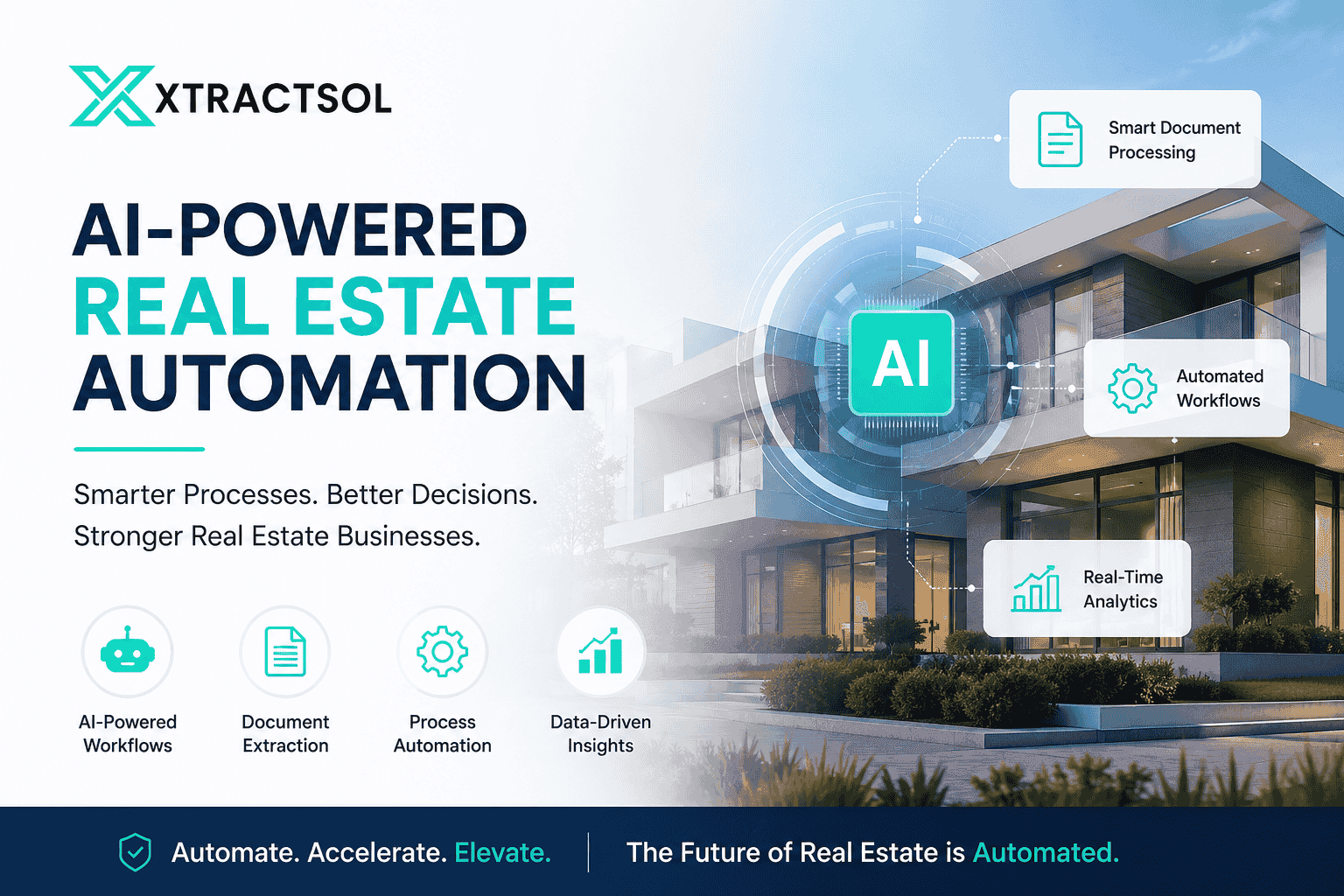
Custom Real Estate Software: Building Smarter Solutions for Your Business
Custom real estate software gives brokerages and property managers the edge they need to improve operations, attract clients, and scale. Off-the-shelf tools cover basics but often fall short on workflows unique to your market or team. Customization lets you solve specific challenges in areas like customer relationship management (CRM), property listing management, MLS (Multiple Listing Service) integration, transaction tracking, and document automation. This article is for owners and ops managers seeking practical insights on how tailored software fits into real estate automation, what features matter most, and how to avoid common pitfalls when developing solutions.
You’ll learn:
- What defines custom real estate software and why it matters today
- How to evaluate key capabilities like lead management, MLS integration, and workflow automation
- Practical tips on implementation, pricing models, and choosing the right software partner
- A detailed before/after example from an XtractSol implementation improving compliance automation
Table of Contents
- What Is Custom Real Estate Software and Why Use It?
- Which Features Are Essential in Custom Real Estate Software?
- How Does MLS Integration Improve Brokerage Efficiency?
- What Are the Steps to Develop and Implement Custom Real Estate Software?
- What Common Mistakes Should You Avoid?
- How to Compare Custom Solutions vs. Off-the-Shelf Tools
- Implementation and Pricing Considerations
- Conclusion
- FAQ
What Is Custom Real Estate Software and Why Use It?
Custom real estate software is a tailored technology solution designed to fit the specific operational needs of a real estate business. Unlike generic platforms, custom software integrates unique workflows, data sources, and user roles while supporting scalability. It often includes modules such as customer relationship management (CRM), property management, transaction tracking, document handling, and MLS integration.
In 2023, the global real estate software market was valued at over $12.3 billion and is expected to grow at a compound annual growth rate (CAGR) of 13.1% through 2032 (Credence Research, 2024). This growth reflects how firms increasingly rely on software to compete in a complex property market, improve customer experience, and boost operational efficiency.
Custom software matters because no two real estate businesses operate identically. Your MLS feeds, agent workflows, document requirements, and customer interactions carry distinct challenges that off-the-shelf tools may not fully address. Tailored solutions make automation realistic by embedding your exact business logic and integrating with diverse data systems.
Which Features Are Essential in Custom Real Estate Software?
A robust custom real estate software solution typically includes:
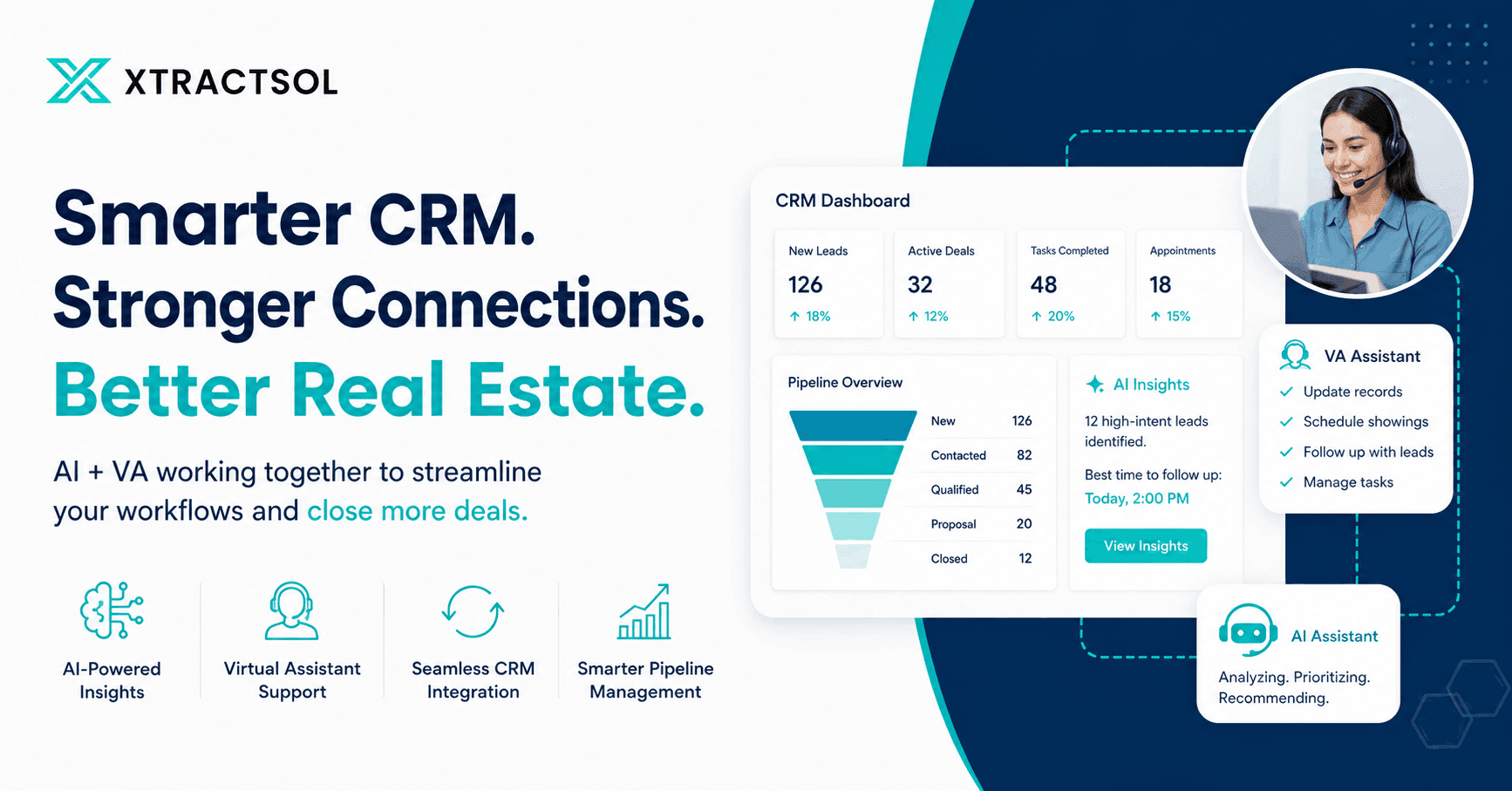
- Real Estate CRM Development: Manage buyer/seller contacts, lead management, and communication histories in one place.
- Property Management Software: Track listings, tenant info, leases, and maintenance schedules.
- MLS Integration: Directly access / update Multiple Listing Service data to maintain real-time listing accuracy.
- Transaction Management Software: Monitor contract status, contingencies, deadlines, and closing workflows.
- Document Management System: Automate extraction and classification of contracts, disclosures, and compliance documents.
- Real Estate Workflow Automation: Streamline repetitive tasks like scheduling, follow-ups, and approvals to reduce manual work.
- Real Estate Mobile App: Provide agents and managers mobile access to data and tasks for responsiveness.
- Real Estate Data Integration: Connect with property records, title data, market analytics, and other external data sources.
- Lead Management System: Score, assign, and nurture buyer and seller leads using custom criteria.
XtractSol’s capabilities span these areas, demonstrated by automations such as FinCEN compliance contract reviews that improve speed while keeping audit-ready evidence (see case study: FinCEN Compliance Automation https://www.xtractsol.com/case-studies/fincen-compliance-automation).
How Does MLS Integration Improve Brokerage Efficiency?
Integrating your Multiple Listing Service (MLS) data directly into your system is vital for accurate, timely property listing management. It reduces manual data entry errors and enables real-time update flows both into and out of your CRM or property management software.
Key benefits:
- Synchronizes new listings, price changes, and status updates automatically
- Enables agents to access full MLS data within your custom app
- Accelerates workflows by eliminating switching between multiple platforms
- Supports compliance with MLS rules by ensuring consistent data presentation
MLS integration usually involves APIs or standardized data feeds, customized to the requirements of local MLS boards and your internal database schema.
What Are the Steps to Develop and Implement Custom Real Estate Software?
Developing a custom solution has several sequential phases:
- Discovery & Requirements Gathering: Map your current workflows, pain points, and must-have features. Include input from agents, brokers, and admin staff.
- Design & Architecture: Create prototypes, data models, and integration plans covering MLS, document sources, and lead pipelines.
- Development: Build modular components — CRM, property management, automation rules — using agile methods for ongoing stakeholder feedback.
- Testing: Conduct thorough validation including real-world scenario testing, load performance, and security reviews.
- Deployment & Training: Roll out in phases, train users on key functions, and set up support.
- Continuous Improvement: Monitor usage and tweak automation to improve efficiency and adoption.
XtractSol works closely with clients throughout these stages, for example developing agentic workflows that cover intake, title search, closing, and post-closing activities (see World Class Title workflow automation https://www.xtractsol.com/case-studies/world-class-title).
What Common Mistakes Should You Avoid?
Real estate software projects often falter due to:
- Over-customization: Building features seldom used introduces complexity and inflated costs. Stick to core workflows first.
- Ignoring User Training: Without proper onboarding, adoption rates drop and software remains underused.
- Poor Data Integration Planning: Failing to fully understand MLS feed or document source nuances creates post-launch issues.
- Skipping Compliance Needs: Real estate has tight regulatory requirements; neglecting them risks data exposures or audit failures.
By contrast, focusing on workflows that create the highest operational impact ensures success.
How to Compare Custom Solutions vs. Off-the-Shelf Tools
| Factor | Custom Real Estate Software | Off-the-Shelf Software |
|---|---|---|
| Customization | Exactly matches your workflows, integrations | Fixed features; limited flexibility |
| Implementation Time | Longer due to design and development | Faster deployment |
| Cost | Higher upfront investment | Lower upfront costs; recurring licenses |
| Scalability | Built for your growth | May not scale without costly upgrades |
| Integration | Deep MLS, data, and document source integration | Limited or generic API access |
| User Adoption | Tailored UI/UX matching roles | Generic experience across users |
| Compliance | Built-in regulatory workflows (e.g., FinCEN) | May require add-ons or manual processes |
Implementation and Pricing Considerations
Custom real estate software development can follow either a Software as a Service (SaaS) subscription model or an enterprise license with on-premise or cloud deployment. SaaS options deliver quicker updates with less headache but may limit deep customization. Enterprise installments have higher initial costs and longer timelines but offer full control and customization.
API integration complexity varies with MLS providers, document repositories, and third-party data services — plan for detailed mapping and a rigorous testing period.
Return on investment depends on reducing time spent on manual document handling, duplicative data entry, and client follow-ups. For instance, XtractSol reduced title search prep time from hours to minutes by automating multi-source record aggregation and normalization (case study: Automated Property Title Search Aggregation https://www.xtractsol.com/case-studies/title-search).
Conclusion
Custom real estate software lets you meet the unique demands of your brokerage or property management firm better than off-the-shelf options. Careful planning, focusing on vital features like MLS integration, workflow automation, lead and transaction management, will drive operational efficiency and better client service. Avoid common development pitfalls by emphasizing user needs, compliance, and data integration from day one.
Looking ahead, cloud deployment, mobile access, and AI enhancements like predictive analytics will become must-haves. XtractSol has extensive experience empowering real estate firms to build tailored, automation-powered platforms. See how our Real Estate Automation Solutions can help you modernize workflows and scale with confidence.
FAQ
What is MLS integration in real estate software?
MLS integration connects your software directly to the Multiple Listing Service to synchronize property listings, updates, and status changes automatically. It ensures accurate, real-time data access and reduces manual errors.
How does custom real estate software improve lead management?
Customized lead management systems score, assign, and track leads based on your specific criteria and sales processes, improving follow-up efficiency and conversion rates.
What are typical features of a real estate CRM?
Real estate CRM includes managing client contacts, communication logs, lead pipeline tracking, appointment scheduling, and reporting tailored to real estate transactions.
Is custom software more expensive than off-the-shelf solutions?
Yes, initial development costs are higher. However, custom solutions typically deliver better long-term ROI through efficiency gains and scalability aligned with your unique business needs.
Can custom real estate software integrate with mobile apps?
Absolutely. Mobile access is often a key requirement, allowing agents and managers to access data, listings, and workflows on the go.
More posts
Product notes, how we build, and what we are learning.

Ready to get started?
Book a free discovery call and we will map how agentic AI can fit your workflows.